Loganatha Perumal Temple, Thirukkannankudi
Thirukkannankudi
VishnuDevA7 · CC BY-SA 4.0 · source
One of the Pancha Krishna Kshetrams.
Sthala Purāṇam
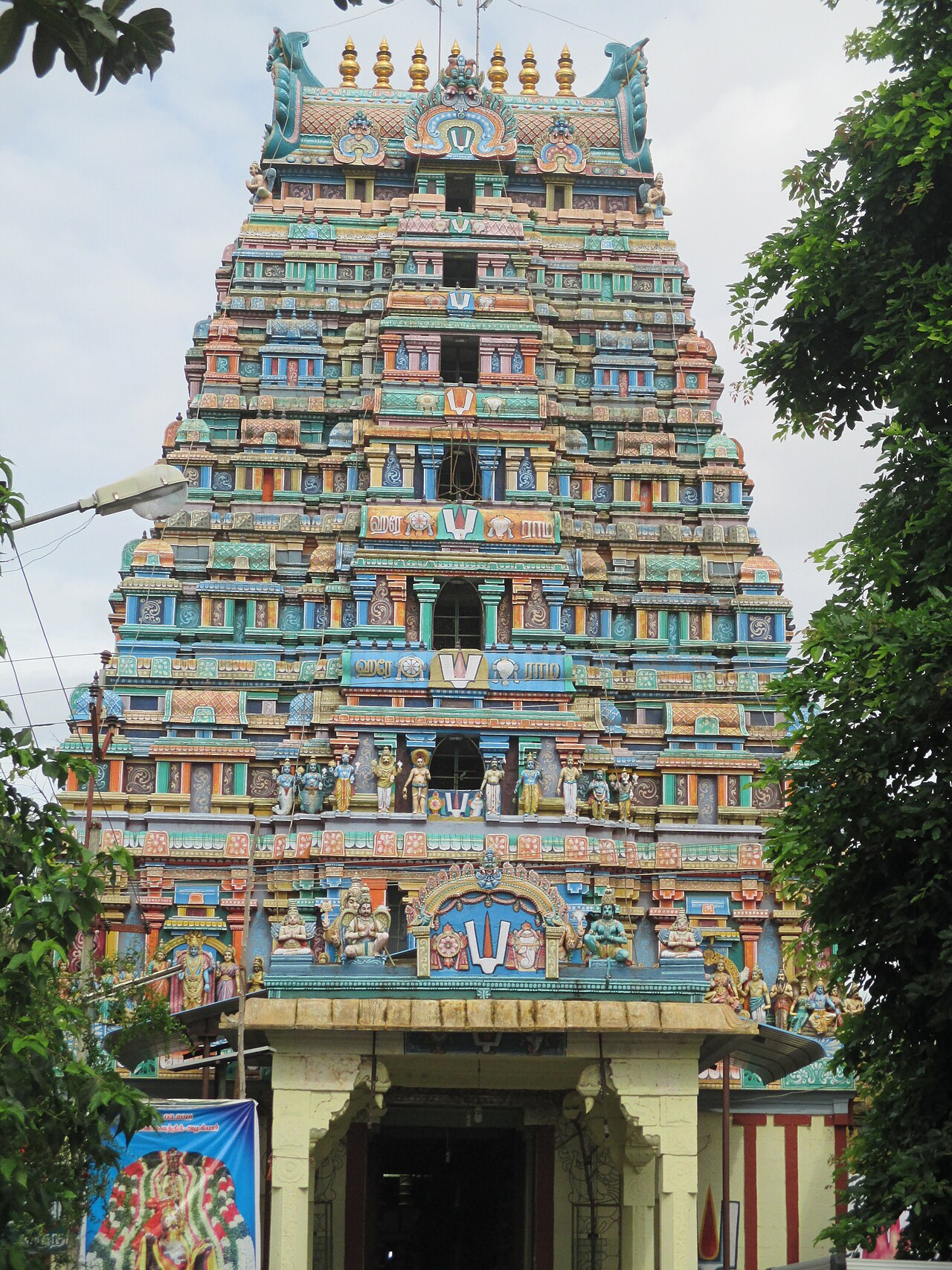
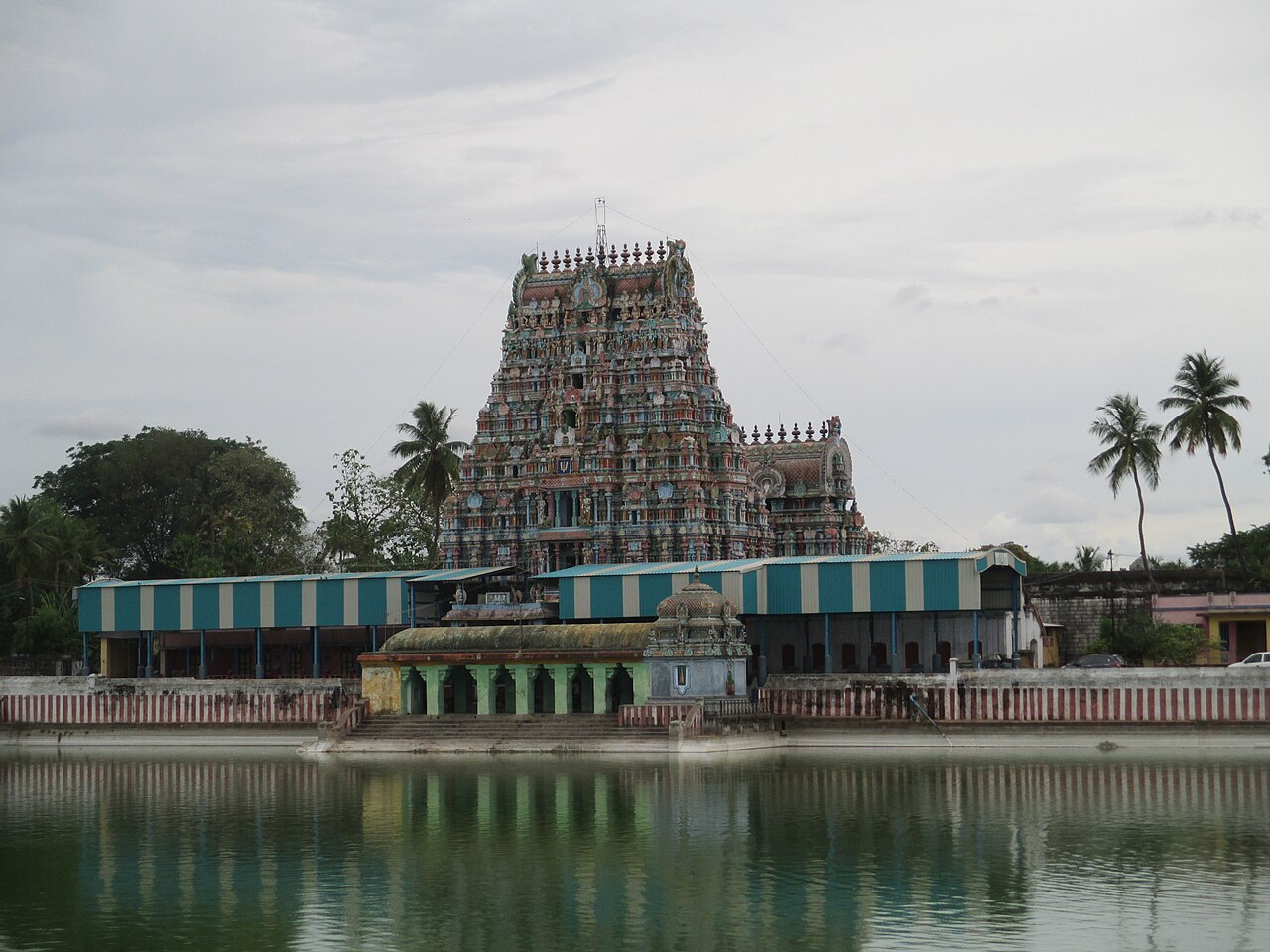
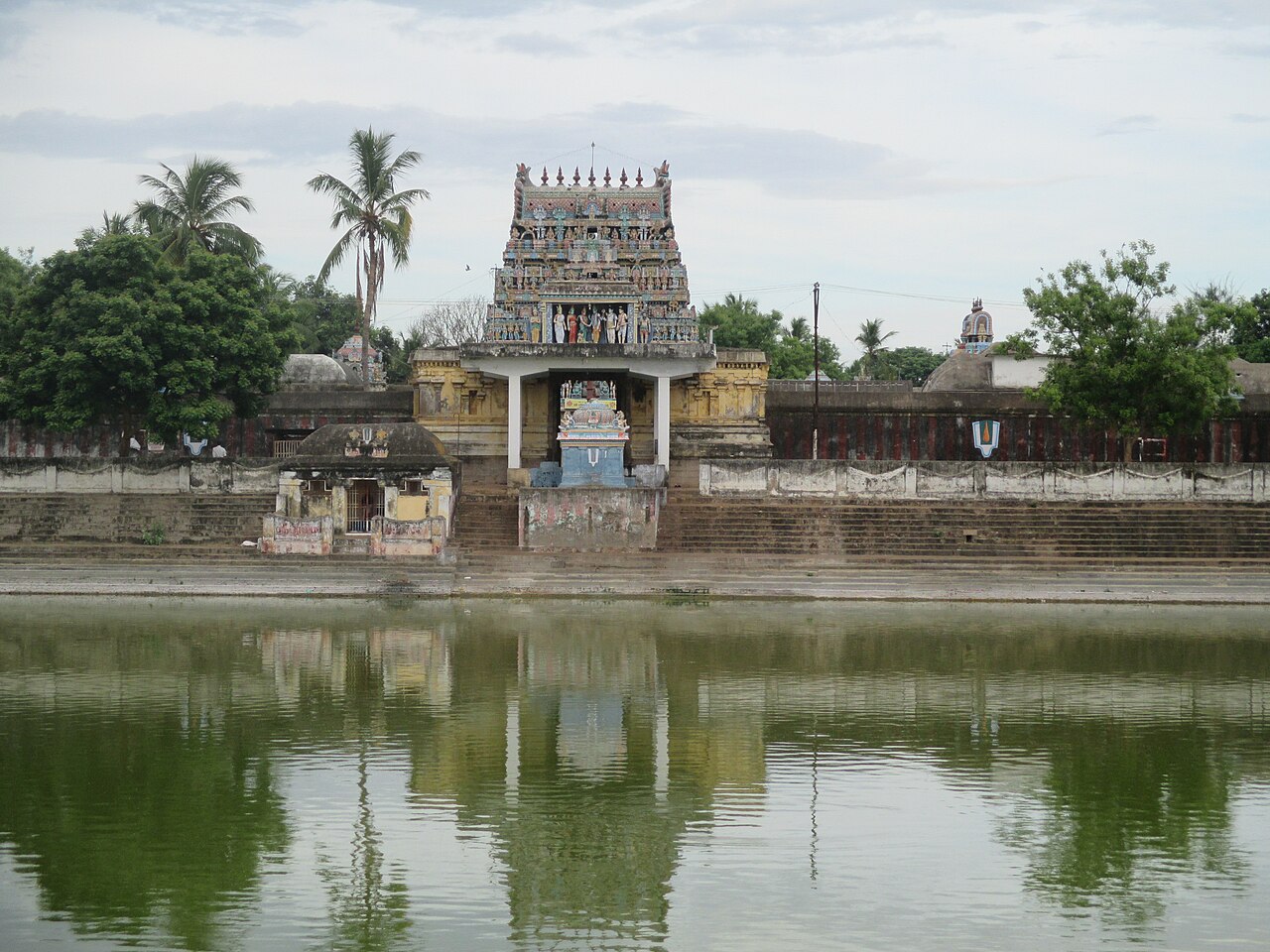
Sri Loganatha Perumal Temple at Thirukkannankudi, near Sikkal in Nagapattinam district, enshrines Vishnu as Loganatha Perumal, a standing east-facing form whose name means lord and protector of the world; the utsava deity is worshipped as Damodara Narayanan and the Thayar as Aravindavalli. The temple is counted among the Krishnaranya, Pancha Krishna, and Pancha Narayana Kshetrams. Its central legend recounts how the sage Vasishta fashioned an idol of Krishna out of butter and worshipped it with such devotion that the butter never melted. To test the sage, Krishna manifested as a child, ate the butter idol, and fled; when Vasishta pursued the boy, other meditating rishis caught and bound the child to a tree. The Lord then revealed himself as Damodara, the name recalling Krishna bound at the waist by Yashoda's rope. From this episode of the Lord staying here (kudi, abode) the place is said to take its name Thirukkannankudi, and the sacred Magizha (vakula) tree behind the temple, believed never to die, stands as the sthala vriksham. The vimana is the Utpala Vimanam and the sacred waters are the Shravana Theertham. Thirumangai Alvar glorified the Lord here in his pasurams, and tradition links this shrine with the Alvar in his service to Srirangam.
Mangalāśāsanam — the Āḻvār pāsurams
The Lord Loganatha Perumal (Damodara) with Aravindavalli (Loganayaki) of Thirukkannankudi is glorified by:
Thirukkannankudi (Thirukkannangudi), home of Loganatha Perumal (Damodara) reclining on Adisesha, received its mangalasasanam from Thirumangai Alvar alone, who dedicated a full decade (10 pasurams) to the shrine in his Periya Thirumozhi (the decade running in the printed editions around pasurams 1748-1757). The Alvar opens by extolling the sacred town as the abode of the Lord who rests on the serpent over the ocean bearing his divine weapons, and surrounded by learned brahmins versed in the itihasas who perform yajnas; in succeeding verses he identifies it with the Lord of the Matsya, Kurma and other avataras.
வங்கமா முந்நீர் வரிநிறப் பெரிய வாளர வினணை மேவி சங்கமா ரங்கைத் தடமல ருந்திச் சாமமா மேனியென் தலைவன் அங்கமா றைந்து வேள்விநால் வேதம் அருங்கலை பயின்று எரி மூன்றும் செங்கையால் வளர்க்கும் துளக்கமில் மனத்தோர் திருக்கண்ணங் குடியுள்நின் றானே.
vangamA munnIr variniRap periya vALara vinaNai mEvi sangamA rangaith thadamala rundhich sAmamA mEniyen thalaivan angamA Raindhu vELvinAl vEdham arungalai payinRu eri mUnRum sengaiyAl vaLarkkum thuLakkamil manaththOr thirukkaNNang kudiyuLnin RAnE.
My Lord of dark-hued (syama) divine form reclines on the great striped serpent Adisesha in the ship-bearing ocean, a conch in his beautiful hand and the broad lotus on his navel. He stands at Thirukkannankudi, the abode of those of unwavering minds who, versed in the six Vedangas, the five-fold lore, the sacrifices, the four Vedas and the rare arts, nurture the three sacred fires with their own red hands.
கவளமா கதத்த கரியுய்யப் பொய்கைக் கராம்கொளக் கலங்கியுள் நினைந்து துவளமேல் வந்து தோன்றிவன் முதலை துணிபடச் சுடுபடை துரந்தோன் குவளைநீள் முளரி குமுதமொண் கழுநீர் கொய்ம்மலர் நெய்தலொண் கழனி திவளும்மா ளிகசூழ் செழுமணிப் புரிசைத் திருக்கண்ணங் குடியுள்நின் றானே.
kavaLamA kadhaththa kariyuyyap poygaik karAmkoLak kalangi uL ninaindhu thuvaLamEl vandhu thOnRivan mudhalai thuNipadach chudupadai thurandhOn kuvaLainIL muLari kumudham oN kazhunIr koymmalar neydhal oN kazhani thivaLum mALigai sUzh sezhumaNip purisaith thirukkaNNangudiyuL ninRAnE.
When the rutting, must-flowing elephant-king (Gajendra) was seized by the crocodile in the pond and, fainting, called upon the Lord within his heart, He appeared at once and hurled His burning discus to cut the fierce crocodile asunder and save it. That Lord stands at Thirukkannankudi, ringed by glittering mansions and ramparts set with rich gems, amid fertile fields bright with blue lilies, tall lotuses, water-lilies, kazhuneer blooms and neydal flowers.
வாதைவந் தடர வானமும் நிலனும் மலைகளும் அலைகடல் குளிப்ப மீதுகொண் டுகளும் மீனுரு வாகி விரிபுனல் வரியகட் டொளித்தோன் போதலர் புன்னை மல்லிகை மௌவல் புதுவிரை மதுமல ரணைந்து சீதவொண் தென்றல் திசைதொறும் கமழும் திருக்கண்ணங் குடியுள்நின் றானே.
vAdhai vandhu adara vAnamum nilanum malaigaLum alaikadal kuLippa mIdhu koNdu ugaLum mInuru vAgi viripunal variyakat(tu) oLiththOn pOdhalar punnai malligai mauval pudhuvirai madhumalar aNaindhu sIdha oN thenRal thisaithoRum kamazhum thirukkaNNangudiyuL ninRAnE.
When the deluge came and overwhelmed the heavens, the earth, the mountains and the surging sea, He took the form of a fish, sporting upon the spreading waters, and concealed (the worlds / sheltered the imperilled). That Lord stands at Thirukkannankudi, where the cool gentle southern breeze, fragrant from newly opened punnai, jasmine, mullai and honey-laden blossoms, wafts its sweetness in every direction.
More verses & references (1)
- Thirumangai Alvar praises the Lord of Thirukkannankudi who reclines upon Adisesha amid the milky ocean bearing his divine discus and conch, the abode ringed by vedic scholars learned in the epics who perform the sacred sacrifices; he glorifies this Lord as the one who took the forms of the Fish, the Tortoise and the other incarnations to protect the world. — Thirumangai Alvar, Periya Thirumozhi · source ↗
Tamil text & meaning sourced from divyaprabandham.koyil.org and other Śrī Vaiṣṇava authorities — please cross-check the linked source for the canonical reading.
Read the pāsurams ↗Plan your visit
📍 10.75658, 79.76353
Routes, distances, hotels and restaurants open in Google Maps with live data. Build a phased pilgrimage plan →